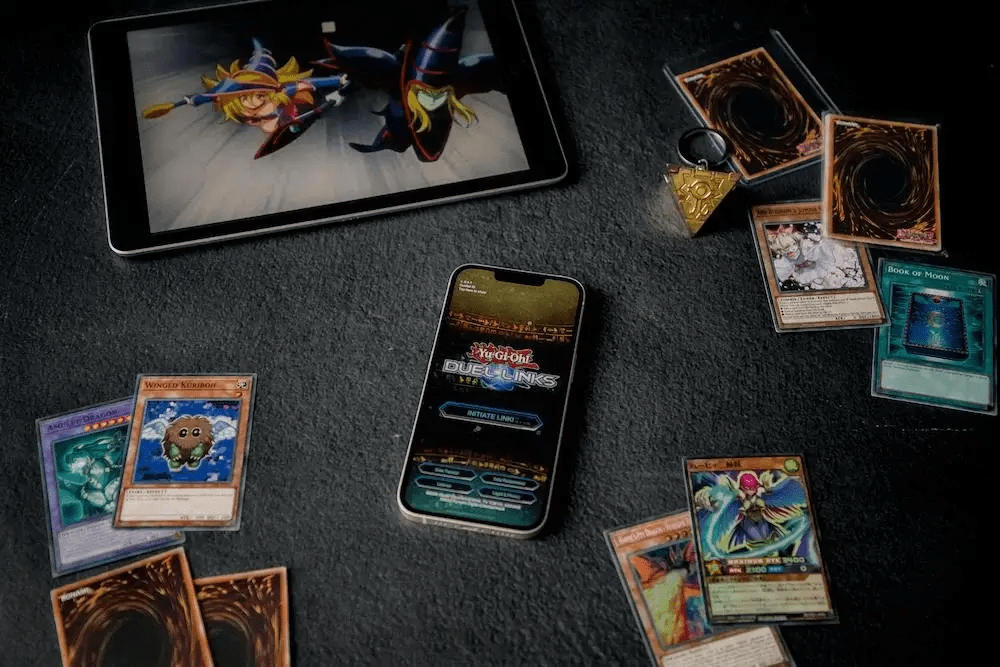
Trading Card Games (TCGs) have become a Freecreditmalaysia99 global phenomenon, captivating millions of players with their mix of strategy, collection, and competitive play. From the early days of games like Magic: The Gathering to modern classics such as Yu-Gi-Oh! and Hearthstone, TCGs offer an exciting and ever-evolving experience for players of all ages. Whether you’re looking to dive into a new hobby, enhance your strategic thinking, or engage with a vibrant community of players, trading card games are a perfect blend of intellectual challenge and entertainment.
This guide will introduce you to the world of trading card games, explaining what they are, how they work, and why they continue to be so popular.
What Are Trading Card Games (TCGs)?
A Trading Card Game (TCG) is a collectible card game in which players use specially designed cards to create customized decks and compete against each other. The cards represent a variety of characters, abilities, actions, and effects, with each card playing a unique role within the game.
Players “trade” cards to build their decks, meaning that collecting rare, powerful, or desirable cards is a key part of the experience. Unlike board games that rely on a fixed set of rules and components, TCGs allow for a high level of customization and strategic thinking. The outcome of each game is influenced by the cards in a player’s deck, how they’re played, and the decisions made during the match.
How Do Trading Card Games Work?
While the rules can vary from game to game, the core mechanics of most TCGs are similar. Here’s a basic overview of how they typically work:
- Deck Construction
Each player builds their own deck by selecting cards from a collection, often adhering to specific deck-building rules (e.g., having a set number of cards, no more than four copies of a single card). The deck represents the tools they will use to try and outsmart their opponents during the game.
The cards in a deck can be classified into different types, such as:
Creatures/Monsters: These are the units that can be summoned to fight for the player.
Spells/Abilities: Cards that represent magical effects or special actions that can change the course of the game.
Resources: Cards that provide the necessary resources or mana to play other cards.
Deck-building is a fundamental aspect of TCGs, as players try to find synergies (combinations of cards that work well together) and optimize their strategies.
- The Goal of the Game
In most TCGs, the goal is simple: reduce your opponent’s health or life points to zero. Players do this by strategically using their cards to attack their opponent’s creatures, defending against attacks, and manipulating the flow of the game to their advantage.
However, many games introduce additional objectives, such as capturing specific points, achieving certain conditions, or completing quests. This added complexity provides players with more choices and strategic depth.
- Card Interactions
One of the most exciting aspects of TCGs is how cards interact with one another. Cards may have special abilities that trigger when certain conditions are met or interact with other cards in unique ways. This creates a dynamic and ever-changing game environment where a well-thought-out play can turn the tide of a match.
For example, a player may have a creature card with a strong attack stat, but it might be vulnerable to specific types of spells or abilities. Conversely, the opponent may have a card that can temporarily shut down the creature’s powers or even destroy it altogether. These interactions are a key part of what makes each match interesting and unpredictable.
- Winning the Game
The most common victory condition in TCGs is to reduce the opponent’s health points to zero, but as mentioned, other games introduce different conditions, such as completing objectives or collecting specific cards.
Popular Trading Card Games
There are dozens of TCGs out there, each with its own unique gameplay mechanics, themes, and strategies. Below are a few of the most popular trading card games that have shaped the genre:
- Magic: The Gathering
Released in 1993, Magic: The Gathering (MTG) is the grandfather of all TCGs. Designed by Richard Garfield, MTG is a deeply strategic game that involves players using powerful spells, creatures, and artifacts to defeat their opponents. With a vast and ever-expanding card pool, MTG offers endless possibilities for deck-building, and its complex game mechanics make it one of the most beloved TCGs in the world.
MTG has also become a competitive sport with tournaments at local, regional, and international levels, and it boasts a massive community of players who trade, collect, and play regularly.
- Yu-Gi-Oh!
First launched in 1999, Yu-Gi-Oh! started as a manga series before evolving into a card game. The game revolves around players using creatures called monsters to battle each other, with additional spells and traps to modify the flow of the game. The game’s appeal comes from its accessible rules, fast-paced play, and vibrant, collectible cards. Yu-Gi-Oh! is a great choice for both beginners and experienced players, and it has a large following in both competitive and casual settings. - Hearthstone
Unlike traditional TCGs that rely on physical cards, Hearthstone is a digital card game created by Blizzard Entertainment. The game uses characters and spells from the World of Warcraft universe, and players battle in a turn-based format. Although Hearthstone does not require physical cards, it retains all the key elements of a TCG: deck-building, strategy, and card collection. It’s popular among players who prefer a more accessible and fast-paced digital experience. - Pokémon Trading Card Game
Based on the hugely popular Pokémon franchise, the Pokémon Trading Card Game (TCG) lets players battle using various Pokémon creatures, each with unique abilities and attributes. The game appeals to a wide demographic, especially fans of the Pokémon video games and animated series. It’s an ideal game for those looking for a balance of strategy and simplicity, with a strong focus on collecting.
Why Are Trading Card Games So Popular?
Trading card games have remained popular for decades, and their appeal is not only due to their fun and challenging gameplay, but also because of the community and social interaction they offer. Here’s why TCGs have stood the test of time:
- Deep Strategy
TCGs are known for their strategic depth. Every match requires players to think critically, plan ahead, and adapt to changing circumstances. The complex interactions between cards, the variety of deck-building options, and the need to anticipate opponents’ moves make TCGs intellectually stimulating and highly rewarding. - Collectibility
The collectible aspect of TCGs is a huge part of their appeal. Many players enjoy the process of building their card collection, hunting for rare and powerful cards, and trading with others to improve their decks. Some cards even gain value over time, turning the hobby into an investment for some players. - Social Interaction
Unlike many single-player games, TCGs are highly social. Players often engage in tournaments, casual meetups, and online events, creating a community around the game. This social aspect helps build lasting friendships and a sense of belonging within the player base. - Constant Evolution
The world of TCGs is constantly evolving, with new expansions, updates, and rules introduced regularly. This ensures that players are never bored, as there’s always something new to discover and adapt to. The evolving nature of TCGs keeps them fresh and exciting, providing an ongoing challenge.
Conclusion
Trading Card Games offer a unique blend of strategy, collection, and social interaction that makes them appealing to a wide range of players. Whether you’re interested in the intellectual challenge of building the perfect deck, the excitement of battling against friends, or the thrill of collecting rare cards, TCGs have something for everyone.
 Site Title